

From Improvisation to Innovation: Choosing the Right Rehabilitation Equipment for Safer, Faster Recovery
Helping patients and their caregivers in selecting and procuring the right tools for pre-operative and post-operative care is a crucial role of a physical therapist (PT). My name is Karen*, and I have practiced physical therapy for 25 years across diverse patient populations and multiple care settings. These settings have included hospitals, warm water therapy pools, long-term care facilities, short-term inpatient rehabilitation units, clinics, and patient homes. Within each of these settings, access to resources and availability of rehab devices can vary greatly. It is not uncommon in our role as a PT to be creative with use of items at home for easy access, low-cost alternatives to achieve therapy goals. Creative problem solving related to positioning, strengthening and mobility, and safety is a rewarding part of the patient journey towards independent mobility, decreased pain, return to sports and hobbies, and the reduced risk for re-injury.
In some cases, improvising works surprisingly well, and patients can achieve their goals easily and quickly with everyday items at home. In other cases, purchasing the right equipment, built with distinct features for best outcomes, is an absolute. To ensure patient safety, maximize function, and reduce the risk for re-injury or unwanted complications, I will recommend equipment for purchase because it is absolutely worth the cost, as I know the long-term value greatly outweighs the initial investment.
The BoneFoam Leg Buddy Heel Cut
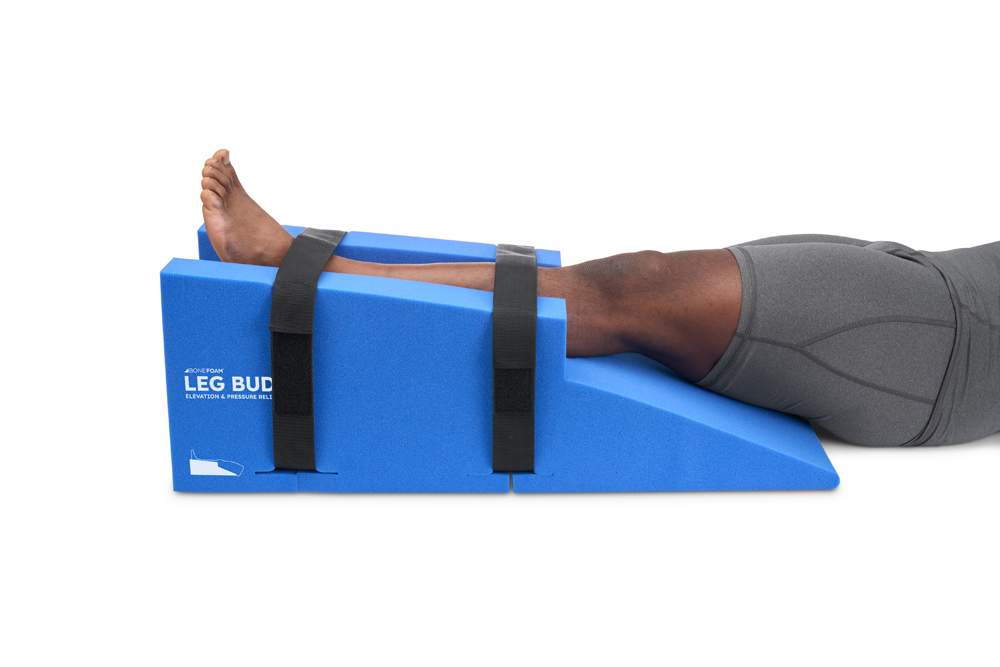
BoneFoam’s rehabilitation products fit this scenario—they are designed by physicians and made with high-quality materials, helping therapists and their patients achieve optimal outcomes. One of the products I recommend due to multiple benefits is the BoneFoam Leg Buddy Heel Cut. The Leg Buddy with the Heel Cut design helps significantly with lower leg alignment, optimal comfort with resting, range of motion goals, swelling management, and reducing the risk of skin breakdown.

At-home or in-clinic tools (such as pillows or towels, bolsters, or foam pads for support), may get close in terms of achieving these same outcomes. While these easy-to-find items are often accessible and relatively simple to use, there are a lot of important details in execution that highly impact results setting during the rehabilitation process. While my primary recommendation is with a post-surgical situation, it may also be indicated prior to a surgical intervention, particularly when the patient has restrictions with activity or weight bearing and optimal posture/positioning is necessary for reducing swelling, pain, and/or the risk for complications such as blood clots.
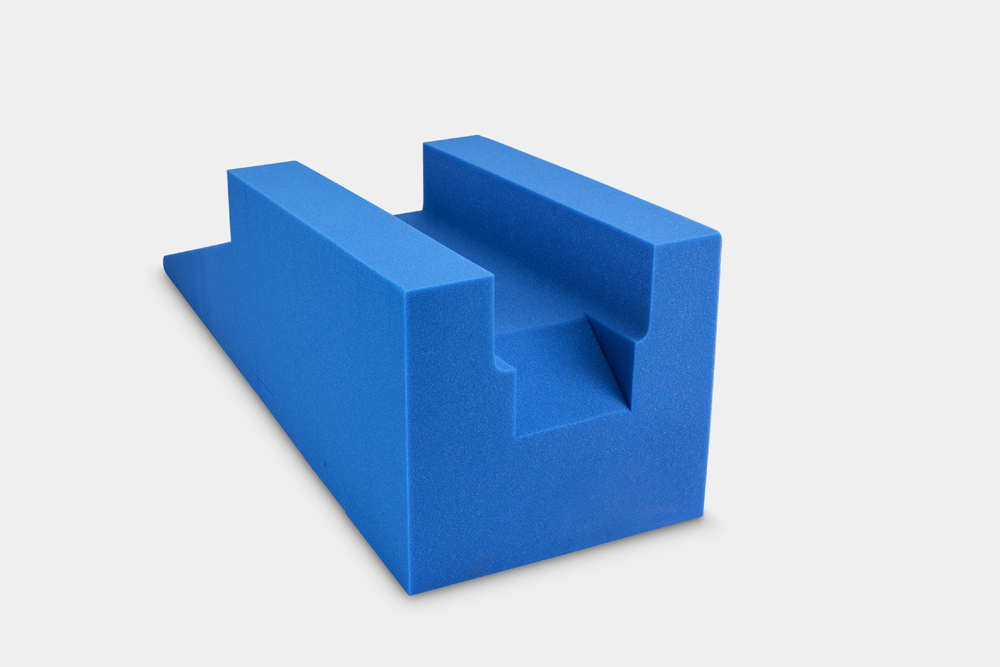
I recommend using the Leg Buddy Heel Cut as quickly as possible post-injury or post-surgery, whether that is in the patient’s home, at a rehab center, or during outpatient therapy visits in the clinic. I implicitly trust patients and their caregivers to use it correctly and I know it will support intended outcomes without hassle, thus improving comfort, ease, and confidence in the rehab journey.
For more information about the BoneFoam Leg Buddy Heel Cut, click here.
*Note: Karen was paid by BoneFoam to write her perspective regarding post-operative care for patients. These are Karen's thoughts, and are not edited by BoneFoam.
Share: